
Common Questions About Active Aging & Wellness
Everything you need to know about mindfulness, community building, and self-discovery for your second life stage
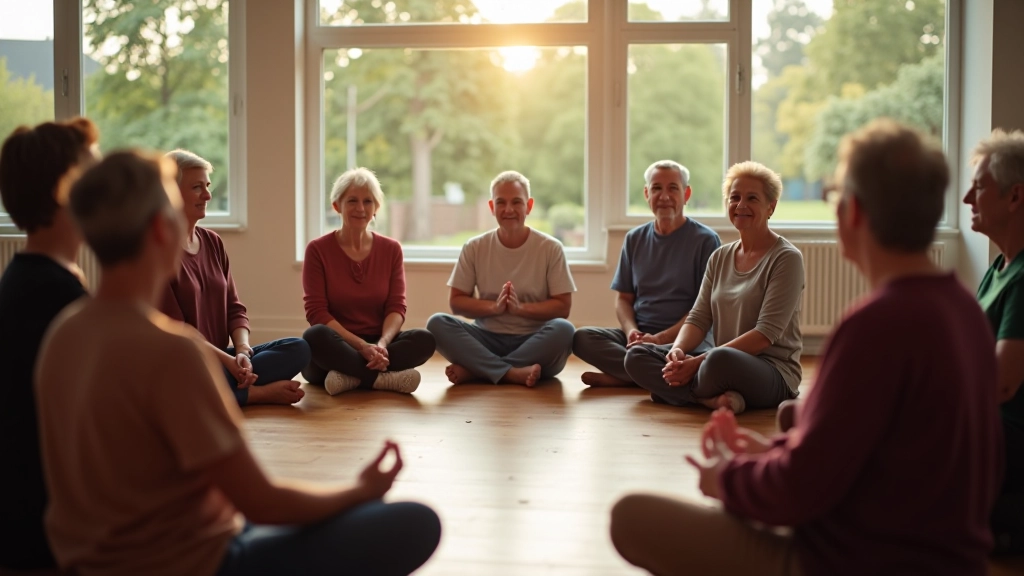
Not at all — we specifically design our programmes for people who've never meditated before. Whether you're completely new or you've tried meditation and struggled with it, our facilitators meet you exactly where you are. We focus on practical, realistic practices that fit into everyday life rather than expecting you to sit in silence for hours.
Most people notice something within 2-3 weeks of consistent practice — better sleep, less anxious mornings, or just a bit more patience with themselves. Real, lasting changes tend to build over 8-12 weeks. We're talking genuine shifts in how you experience stress, not magical overnight transformations.
Our groups are specifically for people 45 and over, so you'll be surrounded by peers navigating the same life stage. Everyone's dealing with something — whether it's feeling a bit isolated after retirement, managing life changes, or just wanting more meaning. That shared experience creates real connection, not awkward small talk.
We're not just teaching you techniques — we're building actual community. You'll work with the same facilitator and group, so real relationships form. Our self-discovery workshops and social reconnection sessions are designed specifically for your life stage, not a one-size-fits-all approach. Plus, you get accountability, face-to-face connection, and someone who actually knows your story.
Probably because you were trying alone, or the approach didn't match your personality. We help you find what actually works for you — some people connect with movement meditation, others prefer guided sessions, some need community accountability. We're also honest about the messy bits: motivation drops, life gets chaotic. Having a group and a facilitator you trust makes all the difference.
Our mindfulness work is specifically designed for stress and anxiety management, and it's evidence-based. That said, if you're working with a GP or therapist, let us know — we can adapt practices and communicate with your healthcare team if needed. This isn't therapy, but it absolutely complements professional mental health support.