Building Community: How to Find Your People in Ireland
Finding genuine connections and building meaningful relationships in your second act of life doesn't happen by accident. We'll walk you through proven approaches to finding your community, joining groups that actually fit, and creating the social connections that matter.

Why Community Matters Now More Than Ever
Life changes. You've probably noticed that already. Whether it's a career shift, a move, or simply the natural evolution that comes with time, the social circles that felt solid in your thirties and forties aren't always there when you're 45, 55, or 65. That's not a failure — it's just the way life works.
What we're learning from research in active aging is that people who've deliberately built community around themselves tend to report higher life satisfaction, better mental health, and more meaningful daily interactions. They're not necessarily the most outgoing people. They're the ones who got intentional about it.
Start With Your Actual Interests (Not What You Think You Should Like)
Here's where most people get it wrong. They join a book club because it sounds sophisticated. They sign up for a hiking group because they think they should be more active. Then they feel out of place because, well, they're not actually interested in either thing.
Your real interests are your entry point. Are you into cooking? Photography? Local history? Card games? Volunteering with animals? There's someone in Ireland who shares that interest and is also looking for people to do it with. The specificity is actually your advantage.
Take 15 minutes and write down three things you actually enjoy doing. Not things you think sound impressive. Things that make time pass without you checking your watch. That's your starting point.

Finding Groups in Ireland (The Practical Side)
Ireland's got community groups everywhere. But finding them can feel like hunting for a specific needle in a very friendly haystack. Here's what actually works:
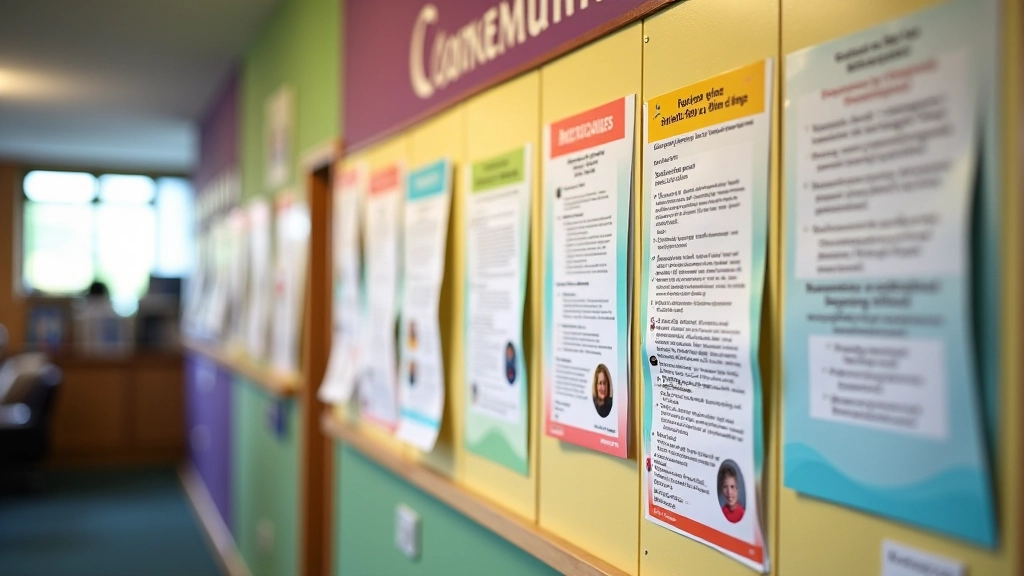
Check your local library. Most libraries in Ireland have notice boards and staff who know what's happening in the area. They're genuinely helpful and won't try to sell you anything.
Visit community centers. Towns and cities have them. Browse their schedules. Classes, groups, events — they're usually listed clearly.
Look at Meetup.com and Facebook groups. Yes, Facebook. There are genuinely active local groups in most Irish towns. Activity clubs, hobby groups, volunteer networks.
Ask directly at places you already go. If you go to a coffee shop regularly, ask the staff. They'll know what's happening nearby.
About This Article
This article is educational and informational. It's based on research into community engagement and active aging. Everyone's situation is different, and what works brilliantly for one person might need adjustment for another. If you're dealing with anxiety about social situations or significant life challenges, talking to a counselor or therapist can really help alongside these practical approaches.
The First Visit Is Awkward (That's Completely Normal)
You'll walk in. You won't know anyone. People will already have their friend groups chatting. Your brain will tell you to leave and try something else. Don't listen to it.
The first visit to any group is awkward for everyone, even the people who've been going for months. They're just better at hiding it. Show up, introduce yourself to whoever's running it, mention it's your first time. That's literally all you need to do.
The magic happens on the third or fourth visit. By then you've seen some familiar faces. You might recognize the regular people. Someone might remember you from last time. That's when it starts feeling less like "going to a group" and more like "going to see people you know."
Beyond Groups: Building Deeper Connections
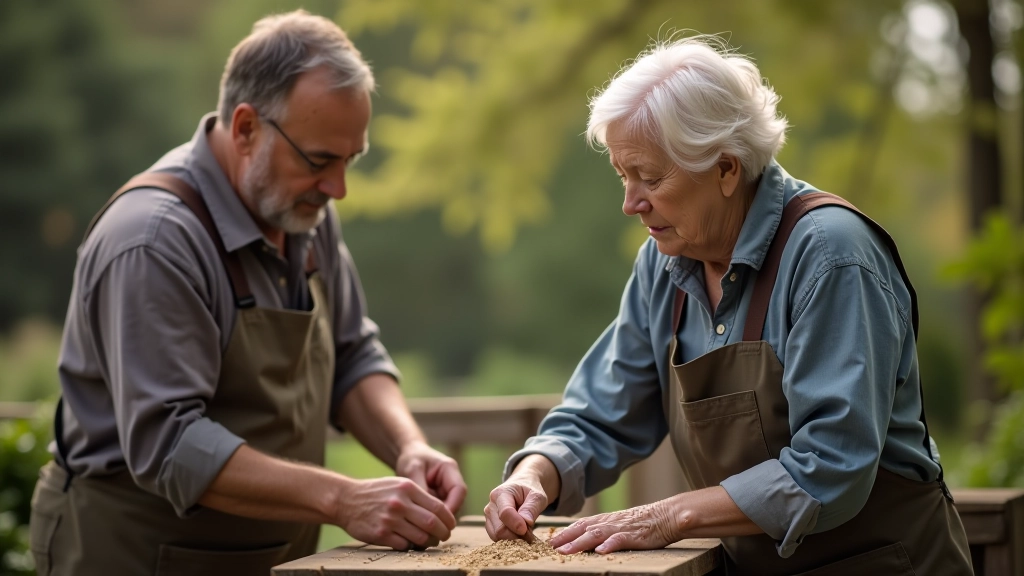
Groups are the start. But real community builds when you go deeper. Maybe you and someone from the group grab coffee after. Maybe you exchange phone numbers and text about the activity. Maybe you both show up early next week and chat.
Don't wait for someone else to suggest this. If you meet someone you actually like, say something like "Would you fancy a coffee before next week's session?" or "I'm heading to the market on Saturday — want to come along?" Most people will say yes. They're looking for deeper connection too.
You don't need a huge friend group. Research on active aging consistently shows that 3-5 genuine relationships where you see each other regularly beats 50 surface-level connections. Quality matters far more than quantity.
Your People Are Out There
Building community isn't mysterious or complicated. It's mostly about showing up consistently, being genuinely interested in what you're doing, and being willing to chat with the people around you. You'll probably feel slightly awkward the first few times. Everyone does.
The good news? Once you find your people, that awkwardness disappears pretty quickly. And you'll have something many people never prioritize — a genuine community of people who know you, include you, and show up for you. That's the foundation of a really satisfying life in your second act.

More From Active Aging & Wellness